Landscape–flux theory
Quantifying potential landscapes, probabilistic flux, entropy production, and least-action paths to uncover the non-equilibrium forces that govern cellular behavior.
Explore the interactive website →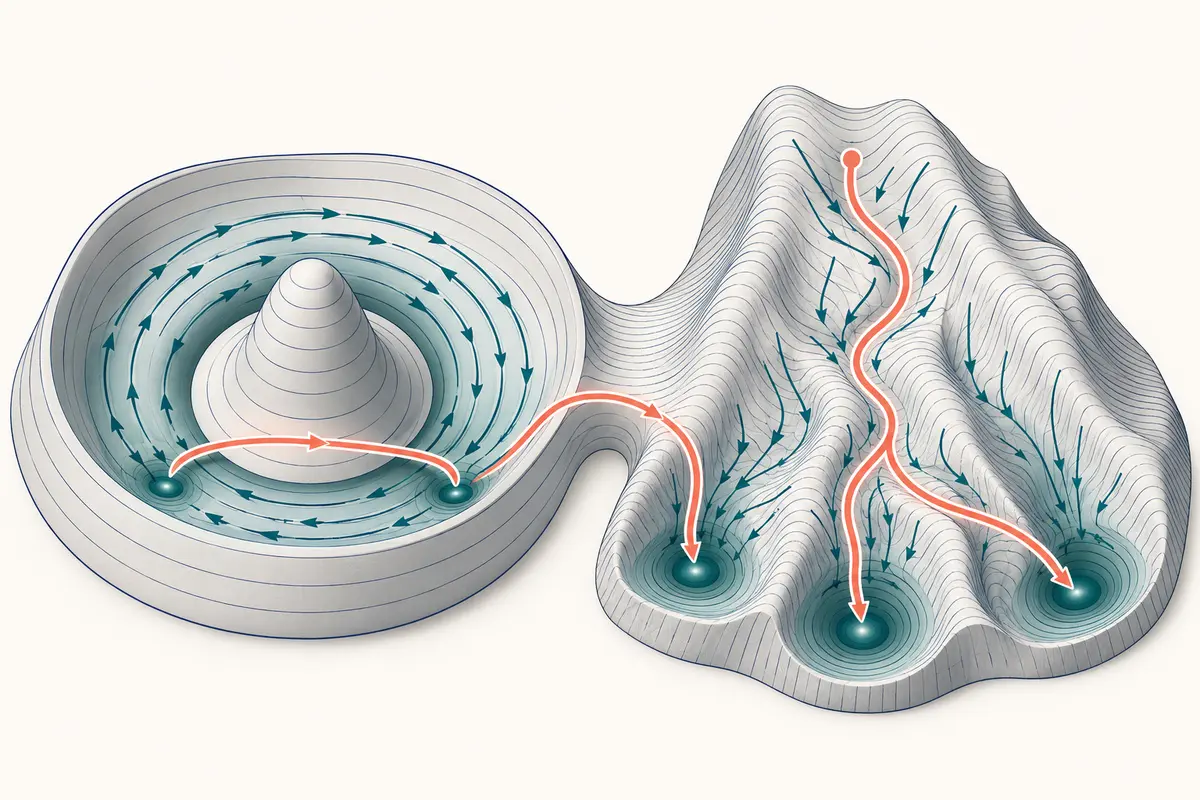
Multi-scale mechanisms of cell function
Revealing how cells choose fates and transition between states far from equilibrium.
Reconstructing chromosome structure to connect genome architecture with gene regulation and cellular identity.
01
Physical and computational frameworks that connect cell-state dynamics with the three-dimensional organization of the genome.
Quantifying potential landscapes, probabilistic flux, entropy production, and least-action paths to uncover the non-equilibrium forces that govern cellular behavior.
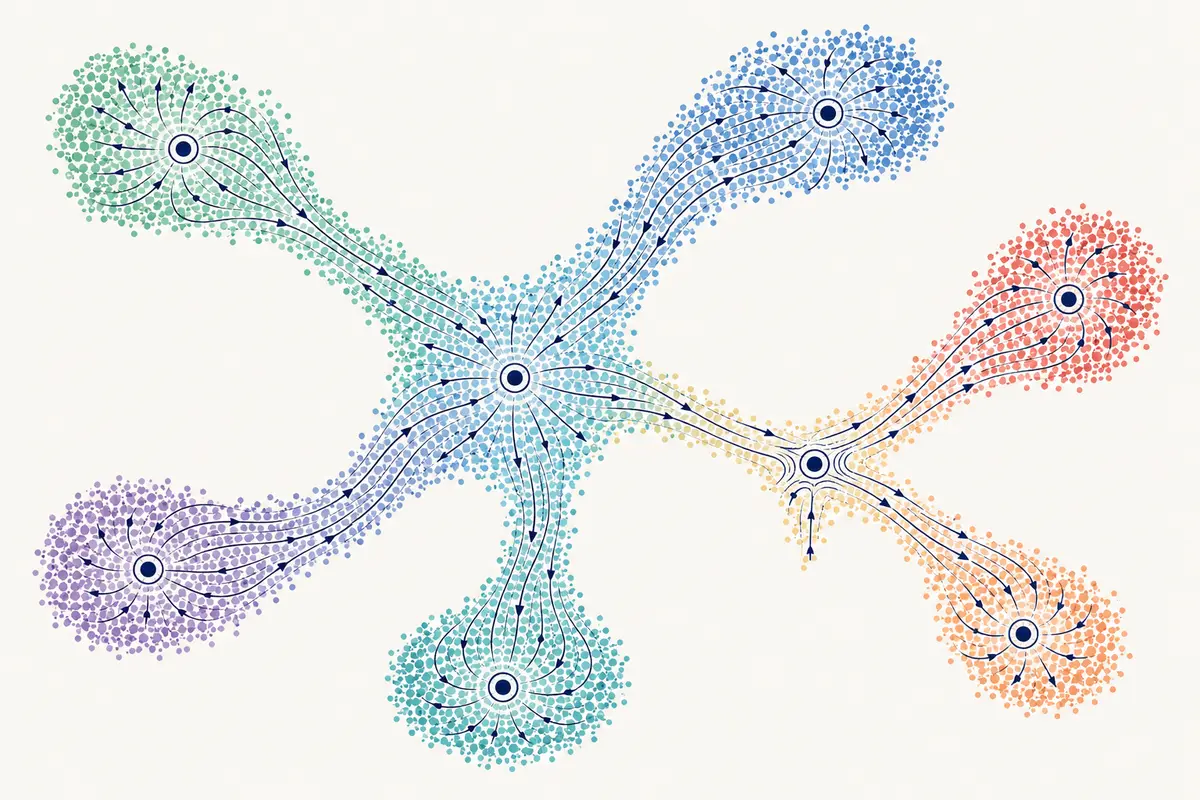
Explore the interactive website →Integrating transcriptomic snapshots, RNA velocity, lineage information, and time-resolved omics to reconstruct continuous transitions between cellular states.
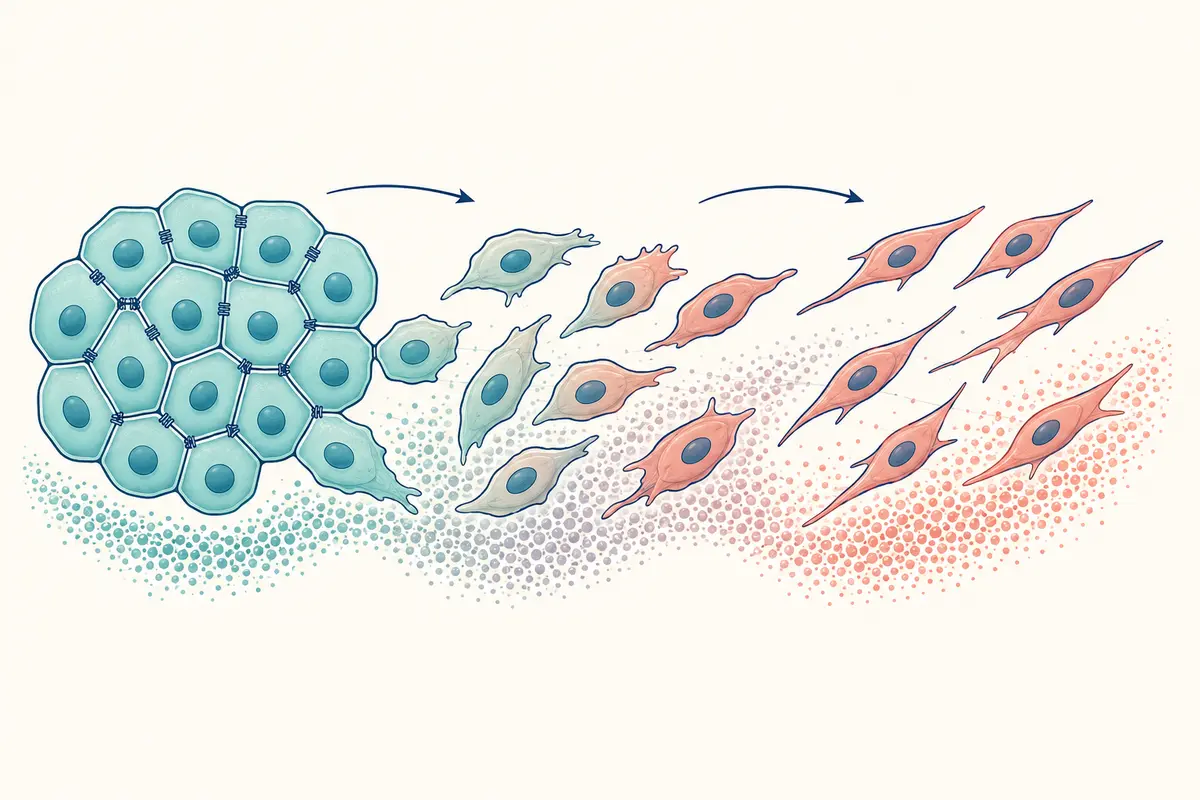
Applying dynamical theory to cell cycle, differentiation and reprogramming, embryogenesis, and early-warning signals in cancer progression and metastasis.
Reconstructing chromosome structures from chromatin-contact, epigenomic, and transcriptomic measurements to obtain quantitative models of genome architecture.
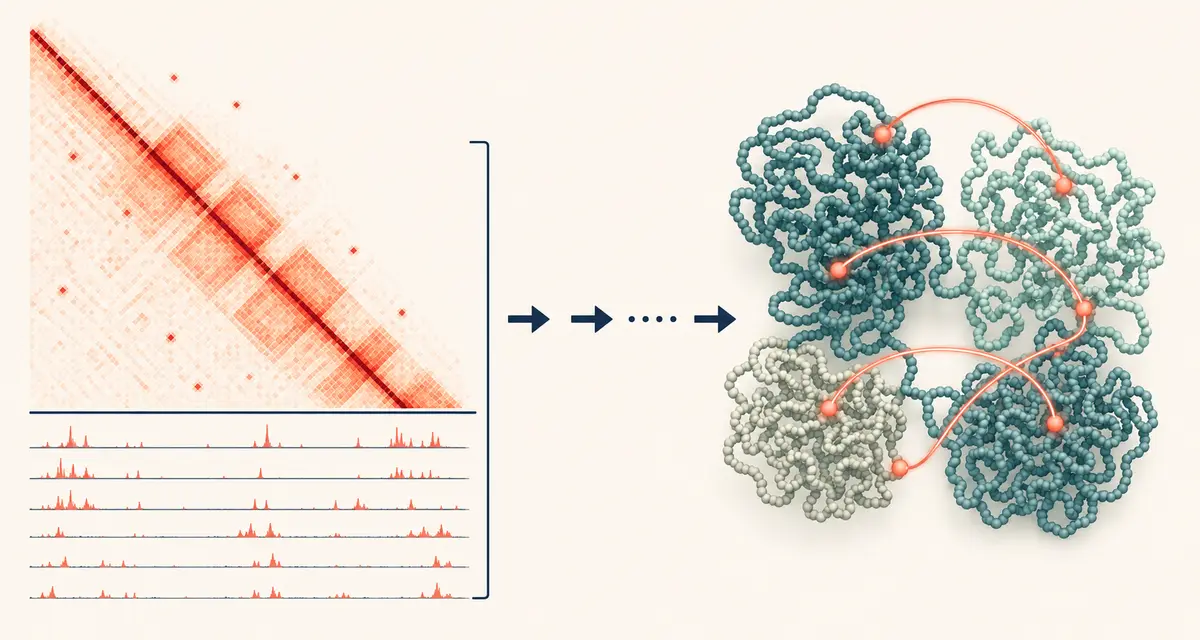
Characterizing chromosome reorganization, spatial positioning, compartment transitions, and structural variability across cell states and developmental processes.
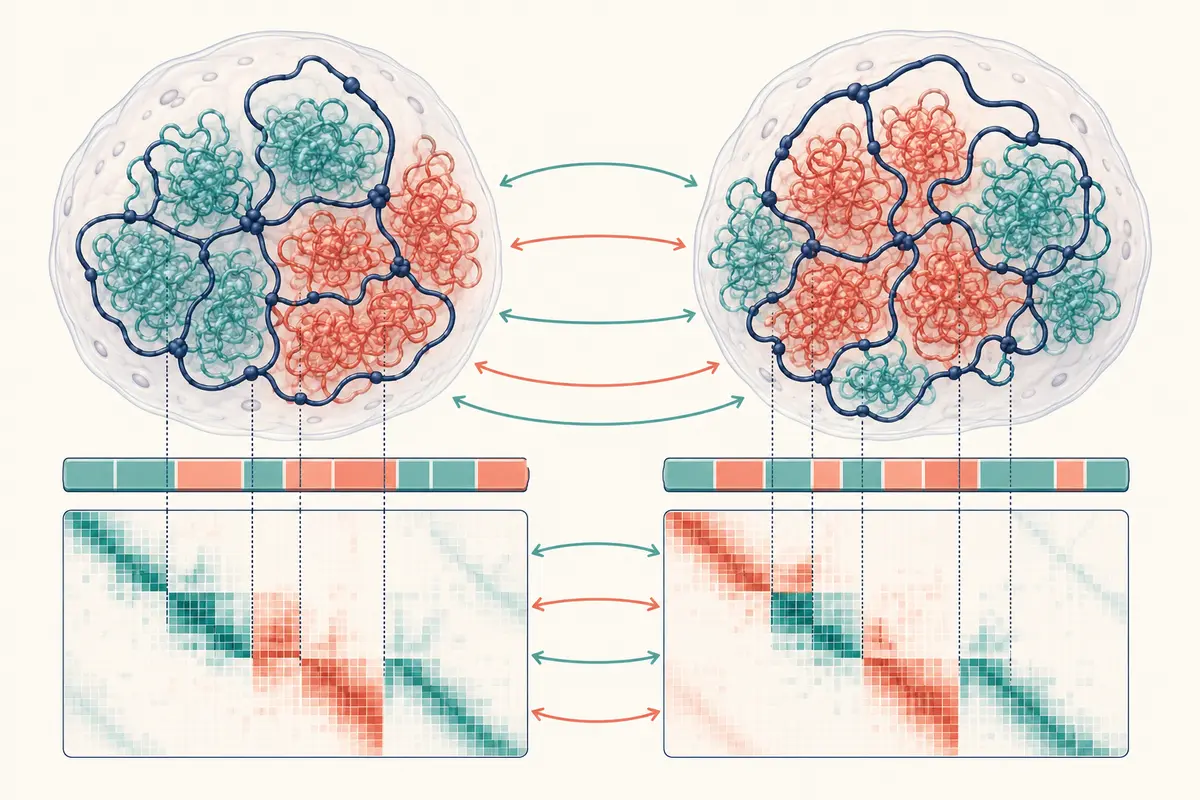
Determining how three-dimensional genome organization shapes gene expression, cellular identity, and the multiscale mechanisms underlying cell function.
02
Selected peer-reviewed work. Citation metrics and the complete current record are available on Google Scholar.
03
I am a Postdoctoral Researcher at the Center for Theoretical Biological Physics, Rice University.
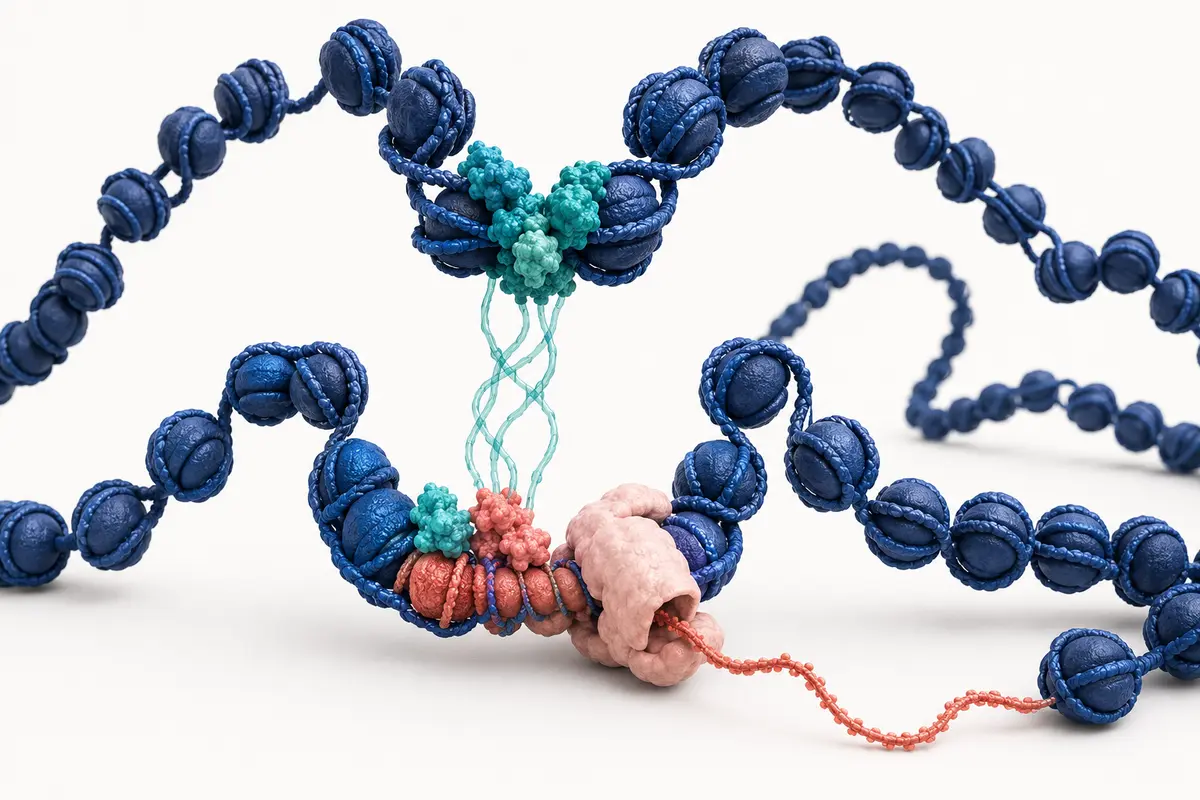
My current research focuses on how chromosome organization and gene expression work together to regulate cellular function. I develop computational and physical approaches for reconstructing three-dimensional genome structures and connecting genome architecture to cell-state regulation.
More broadly, I work at the interface of statistical physics and computational biology, transforming single-cell and genomic measurements into quantitative landscapes, forces, fluxes, structures, and paths that explain biological decisions.
I received my PhD in Theoretical Physics from Jilin University after training in Biophysics at Xiamen University and Applied Physics at Zhengzhou University.
Postdoctoral Researcher
Center for Theoretical Biological Physics
Rice University
PhD, Theoretical Physics
Jilin University
MS, Biophysics
Xiamen University
BS, Applied Physics
Zhengzhou University
Mentors & collaborators
Professor and Principal Investigator
Master's training at Xiamen University
Professor Shuai supervised my master's research in biophysics, where I studied dynamical models of cellular signaling networks and mechanisms governing cell-death decisions.
Professor Emeritus of Chemistry and Physics
Stony Brook University
Professor Wang guided my doctoral research on landscape–flux theory, non-equilibrium statistical physics, and the physical principles underlying cellular dynamics.
Professor of Analytical Chemistry
CIAC, Chinese Academy of Sciences
During my PhD, I also received joint research training in Professor Wang's laboratory at the State Key Laboratory of Electroanalytical Chemistry, CIAC.
Harry C. and Olga K. Wiess Chair of Physics
Center for Theoretical Biological Physics, Rice University
At CTBP, I collaborate with Professor Onuchic at the interface of theoretical biological physics, energy-landscape ideas, cellular systems, and chromatin organization.
Awards